My First Halloween SVG Design: An Embroidery Review
As a professional embroidery designer and product reviewer, I approach every new digital asset with a critical eye. When evaluating My First Halloween SVG Design, my primary concern is not just how the graphic looks on a screen, but how it translates into physical stitches. For small business owners, Etsy sellers, and makers preparing for the October 31 rush, the gap between a digital cut file and a successful machine embroidery design is where profit margins are made or lost. This review assesses this specific Halloween SVG bundle from the perspective of real-world application, focusing on stitchability, marketability, and practical execution for custom apparel and handmade products.
First Impressions and Visual Personality
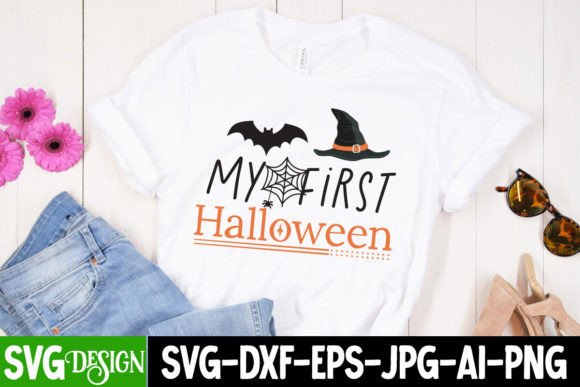
Upon opening the file, My First Halloween SVG Design presents a clean aesthetic that leans toward nostalgic and playful rather than overly gory or complex. For an embroidery project, this is a significant advantage. The lines appear distinct, suggesting that the original vector art was created with intention. However, as any experienced digitizer knows, a pristine SVG does not automatically equal a perfect embroidery file. The visual personality here feels suitable for family-oriented merchandise, nursery decor, and boutique-style autumn collections. It avoids the cluttered details that often cause thread breaks or registration issues in smaller hoop sizes. The mood strikes a balance between spooky and sweet, making it versatile for both children’s wear and adult casual apparel.
Real-World Application: The Custom Sweatshirt Test
To truly evaluate this design, I mentally placed it in a current production scenario: creating a batch of personalized sweatshirts for a local fall festival vendor. In this context, My First Halloween SVG Design serves as an excellent candidate for left-chest placement or centered yoke embroidery. Sweatshirt fleece has a textured surface that can swallow fine details, so the bold shapes inherent in this graphic are ideal. If you are using this as an applique design, the outer boundaries appear defined enough to support a satin stitch border without excessive fraying.
For T-shirt designs specifically, caution is required. Knit fabrics stretch, and if the digitized version of this SVG utilizes high-density fill stitches, you risk puckering or fabric distortion. When adapting this graphic for lightweight cotton tees, I recommend testing a lighter density fill or converting solid areas to running stitch outlines. This maintains the garment's drape while preserving the spooky theme. For craft business owners selling finished goods, this adaptability is key. A design that works equally well on a structured tote bag and a soft baby onesie maximizes your return on investment for design assets.
Navigating Fabric Limitations and Hoop Constraints
While My First Halloween SVG Design offers strong potential, there are specific environments where it demands careful handling. Not all fabrics are created equal, and understanding these limitations prevents wasted materials and customer returns.
- Stretchy Performance Fabrics: If applying this to activewear or thin jersey knits, the stabilizer choice is non-negotiable. Use a cut-away stabilizer to prevent the design from distorting during washing. The graphic’s shape may require additional underlay stitches to anchor the fabric texture before the top thread is laid down.
- Curved Surfaces and Caps: Before attempting this on a structured cap, verify the vertical height. Many Halloween SVG designs are optimized for flat surfaces. If the aspect ratio is too tall for a curved hat frame, you will experience flagging or misalignment. Resize or re-digitize specifically for headwear if necessary.
- Dark vs. Light Fabrics: Check the contrast. If the design relies on subtle shading or light-colored elements, it may disappear on black or navy fabric unless you adjust thread colors. Conversely, on white fabric, ensure the underlay is sufficient to prevent the fabric grain from showing through sparse stitch areas.
- Tiny Lettering and Details: If this bundle includes text elements like "Spooky" or "October 31," measure the x-height. Any lettering under 0.25 inches risks becoming illegible once stitched. For small hoop sizes, consider removing secondary text and keeping only the primary motif to maintain clarity.
Commercial Viability and Customer Perception
For Etsy sellers and commercial embroidery businesses, the value of My First Halloween SVG Design extends beyond aesthetics; it impacts brand consistency and buyer engagement. Customers associate clean stitching with quality. If a design is poorly digitized, resulting in jump stitches across open spaces or uneven borders, it devalues the entire handmade product. This particular design’s simplified nature suggests it will stitch out cleanly at various sizes, which builds customer trust.
Furthermore, consider the licensing and end-use. Always confirm whether the license permits selling finished embroidered items versus just the digital embroidery file itself. For those creating printable mockups to list products before stitching samples, this graphic’s clear lines make it easy to visualize on digital templates. This efficiency allows small shop owners to test market demand for holiday embroidery without committing to full production runs immediately. Whether used for a personalized gift, a boutique branding element, or a seasonal bestseller, the design supports a professional presentation when executed correctly.
Essential Designer Notes for Success
Before loading My First Halloween SVG Design into your machine for a client order or personal project, adhere to these practical protocols to ensure professional results:
- Verify File Compatibility: Ensure you have the correct embroidery file format (PES, DST, JEF, etc.) for your specific machine. Do not assume an SVG auto-converts perfectly without manual digitizing oversight.
- Conduct a Stitch-Out Test: Never run a final product without a test sew-out on similar scrap fabric. Check for thread tension issues, registration errors, and adequate coverage.
- Analyze Stitch Density: Open the file in your embroidery software. Look for areas where stitch density might be too high for delicate fabrics or too low for towels. Adjust compensation settings based on your target material.
- Review Thread Color Sequence: Plan your thread colors against the actual fabric swatch. Digital screens are backlit and deceptive; physical thread cones tell the truth about contrast and vibrancy.
- Check Licensing Terms: Re-read the terms included with the Halloween SVG bundle. Confirm if attribution is required or if there are limits on the number of physical units sold.
- Evaluate Washability: If producing tea towels, aprons, or baby embroidery that requires frequent laundering, ensure the design uses durable stitch types. Avoid long satin stitches that might snag in the wash.
Ultimately, My First Halloween SVG Design represents a solid foundation for seasonal creativity, provided it is treated with technical respect. By understanding the interplay between the digital graphic and the physical constraints of machine embroidery, makers can transform this asset into high-quality, sellable merchandise that delights customers and withstands the test of time. Whether you are crafting a single personalized gift or stocking an online store for the Halloween season, success lies in the details of execution.