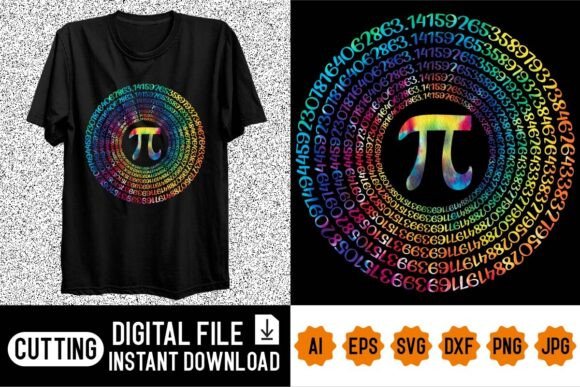
Happy Pi Day Cute Shirt Design Review
As a professional embroidery digitizer and product reviewer, I approach every new graphic with a specific question: will this actually stitch out cleanly on fabric? When evaluating the Happy Pi Day Cute Pi Day Shirt Design, my immediate focus is on its translation from a digital screen to a tangible machine embroidery design. This graphic captures a playful, academic mood perfect for March 14th celebrations, but as designers and makers know, visual appeal on a monitor does not always guarantee success under the needle. My assessment below breaks down how this artwork performs in real-world production scenarios for Etsy sellers, apparel decorators, and hobbyists preparing for the 2025 season.
First Impressions and Visual Personality
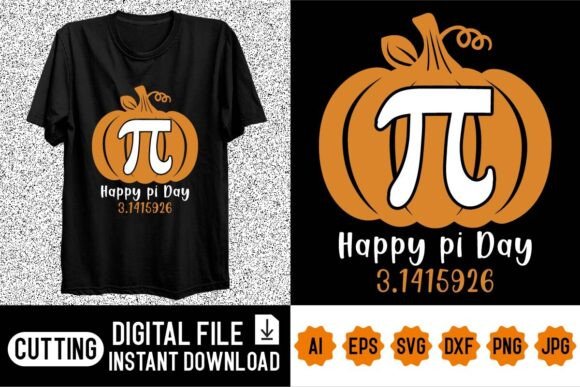
The initial impact of the Happy Pi Day Cute Pi Day Shirt Design is undeniably cheerful. The typography appears balanced, suggesting it was created with readability in mind—a crucial factor when converting vector art into stitches. For T-Shirt Designs and general Graphics, legibility is paramount. In my review, the layout feels centered and intentional, avoiding the cluttered aesthetic that often plagues holiday-specific clip art. This clean composition suggests it could serve as an excellent foundation for both direct embroidery and vinyl applications, though my primary concern remains its viability as a stitch file.
The "cute" aspect implies rounded edges and perhaps whimsical elements. From a digitizing perspective, this is promising. Sharp, jagged corners can cause thread breaks or puckering, whereas softer shapes generally accommodate satin stitch borders and fill stitch interiors more gracefully. If you are planning to use this for a personalized gift or boutique merchandise, the friendly aesthetic aligns well with current market trends for nerdy-chic apparel.
Real-World Application: The Teacher Appreciation Sweatshirt Test
To truly evaluate this asset, I mentally applied it to a specific case study: creating a custom crewneck sweatshirt for a high school math teacher. This is a classic use case for sweatshirt embroidery and represents a high-value item for a craft business. Sweatshirt fleece has a distinct texture and nap that can swallow fine details. When reviewing the Happy Pi Day Cute Pi Day Shirt Design for this application, I look for adequate spacing between letters and bold enough line weights to sit on top of the fabric pile rather than sinking into it.
In this scenario, the design needs to hold its own against the heavy texture of the garment. If the original artwork features thin, spindly lines, they would need to be reinforced or converted to a running stitch outline during the digitizing process to prevent disappearing into the fleece. However, if the design already possesses substantial weight, it becomes an ideal candidate for a center-chest placement. For an Etsy seller targeting educators, this specific application transforms a simple digital download into a premium handmade product that commands a higher price point than a standard t-shirt.
Navigating Fabric Limitations and Hoop Constraints
While the design shows promise for heavier garments, caution is required for lighter substrates. When considering baby embroidery or lightweight summer tees, the stitch density becomes a critical variable. Dense designs on thin fabric lead to puckering and distortion. Before committing the Happy Pi Day Cute Pi Day Shirt Design to a delicate onesie or a sheer tote bag, you must verify the density. If the design includes large solid fill areas, using a cutaway stabilizer is non-negotiable to maintain structural integrity.
Furthermore, consider your hoop size. A design optimized for a 5x7 hoop may lose charm if shrunk down to a 4x4 field for a pocket logo. Small lettering is the enemy of clean embroidery; if the "Pi Day" text drops below 6mm in height after resizing, clarity will suffer. Always test scale adjustments on scrap material first. For commercial embroidery projects involving caps or curved surfaces, ensure the design’s vertical height fits within the cap frame’s limitations without requiring excessive distortion.
Technical Considerations for Digital Assets
The product description notes that this download includes Ai, SVG, PNG, JPG, DXF, and EPS files. It is vital to distinguish between these formats. These are vector and raster image files, not native embroidery file formats like DST, PES, or JEF. As a reviewer, I must emphasize that this is a source art package. You or your digitizer will need to convert this artwork into stitches. This distinction matters immensely for digital product sellers and makers who might assume "cut file needs" implies ready-to-stitch compatibility.
- Vector Files (Ai, EPS, SVG, DXF): Essential for clean digitizing. These allow you to separate color layers and create precise stitch paths without pixelation.
- Raster Files (PNG, JPG): Useful for printable mockups and listing photos, but less ideal for creating high-quality stitch files due to potential edge fuzziness.
- Licensing Check: Always confirm whether your purchase allows for commercial use of finished products versus selling the digital file itself.
For those creating applique design variations, the SVG and DXF files are particularly valuable. They provide the exact cutting lines needed for laser cutters or vinyl plotters, ensuring your fabric pieces match your stitch lines perfectly. This interoperability makes the Happy Pi Day Cute Pi Day Shirt Design a versatile asset for mixed-media creators.
Ensuring Professional Results and Customer Trust
The difference between an amateur craft and a professional small shop product often lies in the finishing details. When utilizing this design, pay close attention to thread colors and contrast. A white pi symbol on a pale yellow shirt might look cute digitally but will lack definition when stitched. High contrast ensures the design reads clearly from a distance, which is essential for holiday embroidery meant to be worn at events or parades.
Additionally, consider the end-user's care instructions. Math teachers and students will likely wash these garments frequently. Ensure your stitch type selection accounts for durability. A running stitch outline may fray faster than a satin border after repeated laundering. By making these technical adjustments based on the source art, you elevate the perceived value of your work. Customers trust sellers who deliver durable, well-executed goods, and thoughtful adaptation of the Happy Pi Day Cute Pi Day Shirt Design demonstrates that expertise.
Final Verdict for Makers and Sellers
Ultimately, the Happy Pi Day Cute Pi Day Shirt Design serves as a strong foundational graphic for the upcoming season. Its versatility across formats supports various workflows, from vinyl cutting to custom digitizing. However, success depends entirely on the maker’s willingness to adapt the art for textile realities. Whether you are producing a tote bag design for a library fundraiser or a batch of shirts for a university department, treat this file as a blueprint rather than a final instruction.
I recommend testing the design on your intended fabric weight before full production. Verify that the licensing terms align with your business model, especially if you plan to sell design assets or finished items online. With proper stabilization, appropriate scaling, and mindful digitizing, this artwork has the potential to become a bestseller in your 2025 collection. It balances niche appeal with broad accessibility, making it a smart acquisition for creative entrepreneurs looking to capitalize on the Pi Day trend with quality, handmade integrity.